What’s the Best Breakfast for Energy? Find Out Here
Breakfast sets the tone for the day, and a good start can keep the wheels turning when the pace picks up. Energy comes from more than caffeine; it’s about how the body converts food into steady, usable fuel over hours rather than minutes.
A few smart swaps at the plate can cut mid-morning slumps and make it easier to hit the ground running, whether you’re heading to the office or out for a run. Read on for practical food combos, simple meal ideas, and a mental model for building breakfasts that last.
Why Breakfast Affects Energy Levels
The body runs on a blend of immediate and stored fuel, so what you eat first things in the morning shifts the balance toward lasting output. Quick sugars give a fast spike and a quick crash, while slow-burning components keep blood sugar more even and mood steadier.
Hormones and gut signals also play a part, telling the brain when you’re full and when to seek more fuel, so mixing nutrients tunes those signals. Think of it like tuning a radio: the right frequency keeps the signal clean and the static low.
The Balance Of Carbs, Protein, And Fat
A breakfast that mixes carbs, protein, and fat tends to release energy steadily over several hours, avoiding sudden highs and lows. Carbs deliver quick glucose, protein provides amino acids that help maintain muscle and satiety, and fats slow digestion so you don’t hit a wall.
Aim for combinations where each meal has a clear source of each macronutrient, and adjust portion sizes to match how active your morning will be. Small tweaks to ratios can change how long you feel alert and focused.
Whole Grains And Slow-Burning Carbs

Whole grains and minimally processed carbs provide a slower, more predictable stream of glucose compared with refined sweets and pastries. Oats, whole-grain bread, and quinoa have fiber and structure that make digestion gradual, which keeps energy smooth and steady.
When you pair those carbs with protein or a little healthy fat, the release becomes even gentler and less prone to peaks and troughs. In short, choose the long game over quick wins for mornings that stretch on.
Protein Choices To Keep You Going
Protein at breakfast works like a steady anchor, slowing the exit of sugar into the bloodstream and helping you feel satisfied for longer stretches. Options range from eggs and yogurt to nut butter, cottage cheese, and plant-based patties, each bringing a slightly different nutrient profile and texture.
If you’re after something hearty that still supports balanced energy, a quiche breakfast can be an excellent choice which is rich in protein, customizable with vegetables, and easy to prepare ahead for busy mornings.
Lean choices that are easy to prepare can be lifesavers on busy mornings, while heartier options suit active days when you need extended endurance. Rotate sources so meals stay interesting and you benefit from a variety of amino patterns.
Healthy Fats For Lasting Fuel
Including healthy fats can turn a nice breakfast into a meal that sustains you through meetings, workouts, or errands without begging for a snack. Avocado, nuts, seeds, and olive oil are calorie-dense but slow the pace of digestion, helping glucose trickle into circulation at a reasonable speed.
A small amount goes a long way, so a spoonful of nut butter or a handful of seeds often does the trick without feeling heavy. Fat also carries fat-soluble vitamins, so it’s a neat way to boost nutrient uptake while keeping hunger in check.
Fiber, Fruit, And Vegetables For Steady Release
Fiber-rich foods act like a governor on fuel flow, slowing the digestion of starch and sugar so energy release is more controlled. Berries, apples, leafy greens, and raw veg add volume and texture without a pile of hidden calories, and they offer micronutrients that support mood and focus.
Combining fruit with protein or whole grains prevents a quick spike, while veggies can bulk up an omelet or grain bowl without a sugar hit. Small swaps—more veg, less juice—can flip a sugar rollercoaster into a steady climb.
Hydration And Caffeine Choices
Hydration is often overlooked, but mild dehydration can sap alertness and make fatigue feel worse than it should, so a glass of water first thing is a smart move. Coffee and tea can sharpen attention and lift spirits, yet timing and dose matter: too much caffeine on an empty stomach sometimes amplifies jitters and then leads to a slump.
Try pairing your hot drink with a bite that includes protein or fat to smooth the edges, and tune intake to your tolerance to avoid late-day sleep interference. A few experiments will show the sweet spot where caffeine helps without hijacking your day.
Sample Energy-Packed Breakfasts
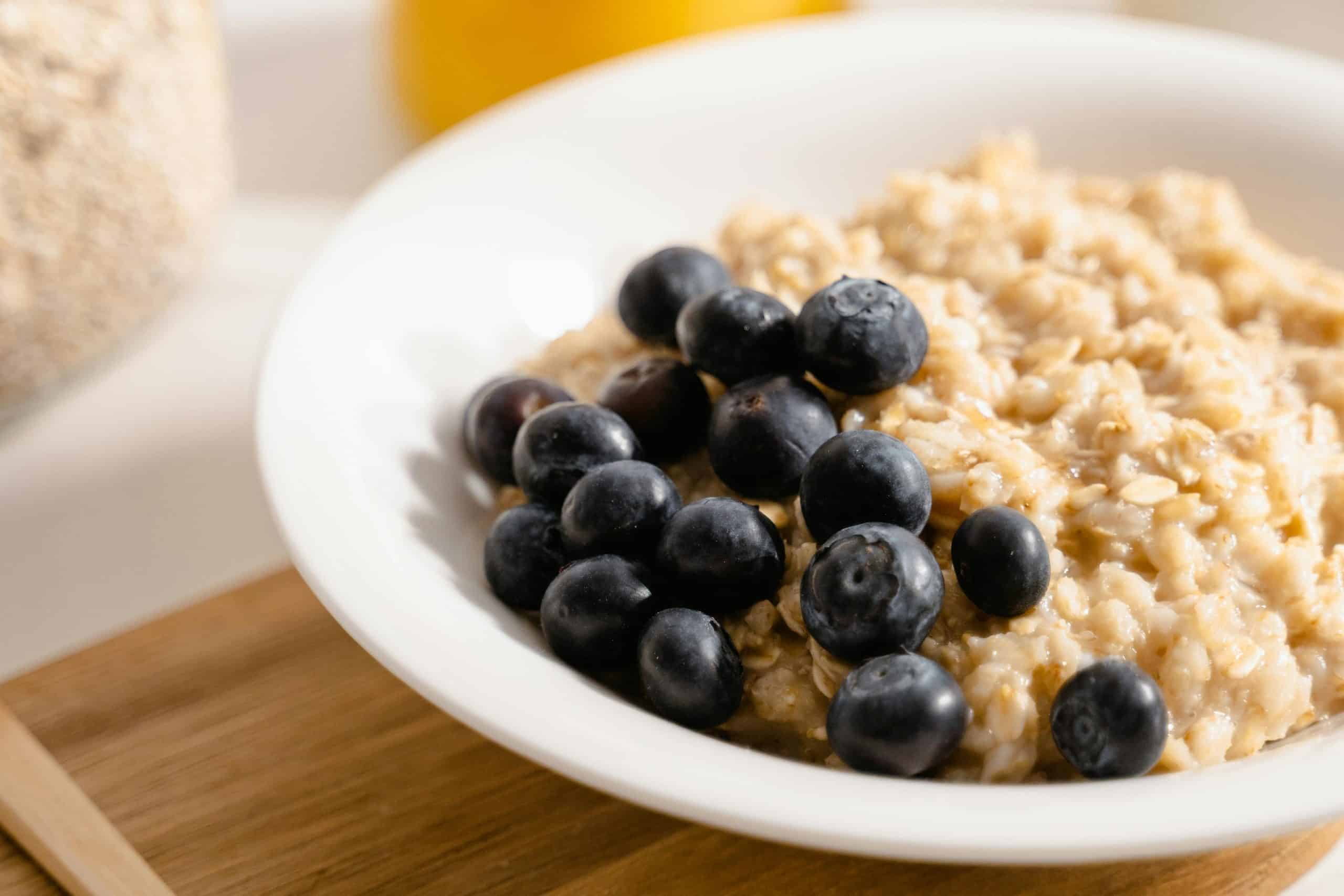
Practical meals make it easy to keep energy on an even keel, so build a short list you can rotate through the week to stay out of the cereal rut. Try oatmeal topped with nut butter and berries for slow carbs plus fat and protein, or a whole-grain toast with avocado and a poached egg for a balance of textures and sustained fuel.
Greek yogurt mixed with chia seeds and fruit gives protein and fiber in a spoonable package, while a smoothie with spinach, banana, protein powder, and a small scoop of oats can be sipped on the go. Mix and match from these templates when time or appetite shifts so your mornings remain both quick and reliable.