5 Effective Dental Treatments That Improve Your Smile
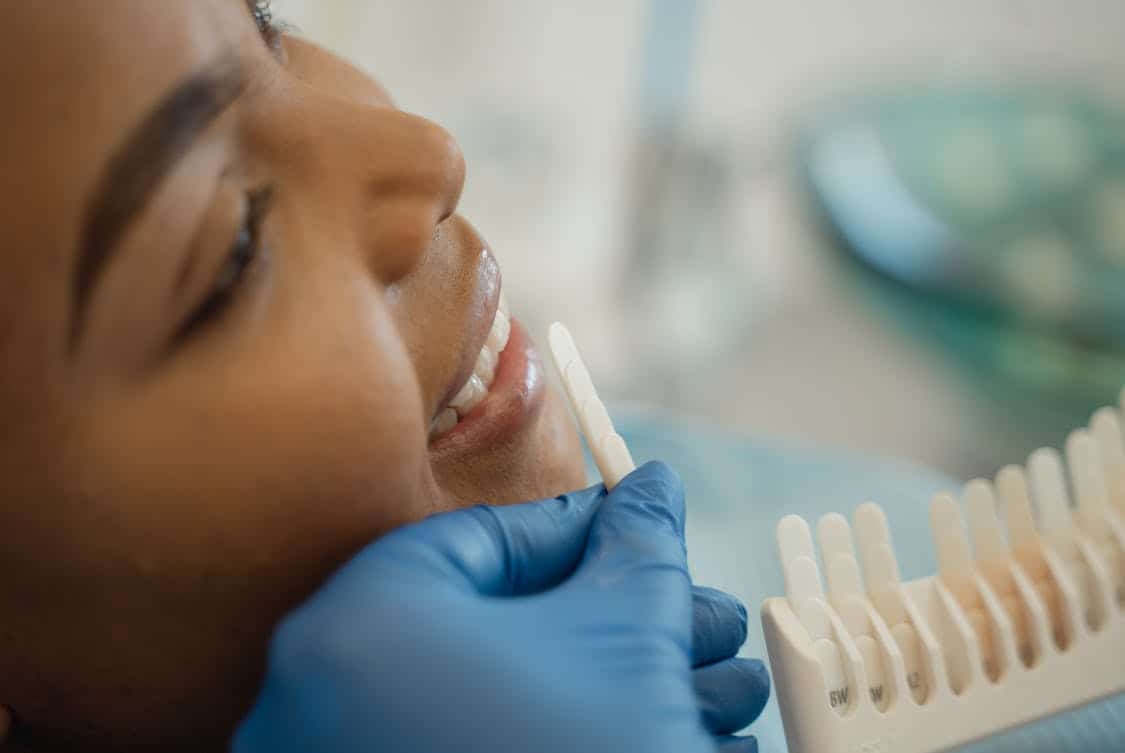
A confident smile opens doors in both social and professional life, and good dental care can make that smile more inviting. Modern dentistry offers a range of options that fix function and refine appearance while keeping long term health in mind.
Some treatments are quick fixes that refresh a grin instantly, while others tackle structural issues and provide lasting change.
1. Porcelain Veneers
Porcelain veneers are thin shells made to cover the front surfaces of teeth and create a uniform, bright appearance. They are crafted from ceramic that mimics natural enamel and can mask chips, gaps, and persistent stains that do not respond to whitening.
The process involves shaping the tooth surface and bonding the shell in place so the final look appears seamless and durable. Many people choose veneers when they want a high level of control over tooth shape and shade without lengthy orthodontic work.
A key advantage of veneers is the ability to tune small details that affect the overall smile, such as tooth length and edge contour. Dentists can match translucency and color so light plays across teeth in a natural way rather than looking flat.
While the treatment is more invasive than surface whitening, it often yields dramatic results with relatively few visits. After placement, a routine of careful brushing and periodic checkups keeps veneers performing well for years.
2. Professional Teeth Whitening
Professional teeth whitening uses stronger agents and controlled techniques to lift stains more effectively than over the counter options. In a clinic, specialists can apply higher concentration gels safely and can combine light or laser activation when appropriate.
If you’re thinking about improving your smile safely and effectively, consulting experienced dentists springfield residents trust can help you choose the whitening option that delivers the best results. The result is a noticeable change in tooth shade often in a single session, which can boost confidence for events or daily life. Sensitivity follows in some cases, yet it tends to be temporary and can be managed with specific products.
Whitening works best on stains caused by food, drink, and aging, while some discolorations linked to medication or internal tooth changes might need alternative approaches. Follow up care is simple and includes avoiding heavy staining foods and using whitening toothpaste every so often to maintain the tone. Periodic touch ups done at the clinic give more predictable outcomes than home kits alone. Having a professional assessment first limits surprises and helps set realistic expectations.
3. Clear Aligners For Orthodontic Correction

Clear aligners have grown popular since they move teeth using a series of nearly invisible trays that patients swap out regularly. Each tray nudges teeth into a new position in small increments, and the overall plan is mapped out with digital scans and software to guide progress.
The appliance is removable, so eating and oral hygiene are less restricted when compared with fixed braces. For many adults the discreet nature of aligners fits a lifestyle where appearance matters while treatment is underway.
Compliance is central to success because aligners need to be worn most of the day to achieve predicted shifts. Complex bite problems sometimes still require traditional brackets or adjunctive procedures, yet a growing range of cases is now manageable with clear trays.
Regular check ins with the dentist or orthodontist track movement and allow adjustments to the plan when teeth behave unpredictably. When the journey ends, retainers are used to hold the new alignment and protect the investment.
4. Dental Bonding
Dental bonding uses a tooth colored resin that is applied directly to a tooth and sculpted into the desired form before being hardened with light. It is a relatively quick and conservative option for repairing small chips, filling gaps, and changing color or contour without removing much tooth structure.
Because it is less costly and can be completed during a single visit, bonding appeals to people seeking immediate cosmetic fixes. The material blends with the natural surface and can be polished to match nearby enamel.
Durability varies with habits and bite forces, and the resin can stain over time more easily than porcelain, yet repairs are straightforward. Good candidates include those with minor cosmetic flaws or those who want a trial run before committing to permanent restorations.
Bonding preserves more of the original tooth than many alternatives, which is often desirable when long term preservation is a priority. Careful placement and routine maintenance help the restoration look natural and last longer.
5. Dental Implants
Dental implants replace missing teeth by anchoring a titanium post into the jawbone and attaching a crown that functions like a natural tooth for chewing and speech. Over time the implant integrates with bone in a stable union that prevents bone loss and preserves facial structure.
Implants are a long lasting solution compared with removable prosthetics and can be placed to restore a single tooth or to support bridges and dentures. The procedure involves planning, surgical placement, and a healing period before the final crown is attached.
Success depends on healthy bone and good oral hygiene, and some medical conditions can affect outcomes, yet many patients find implants restore both function and confidence. The aesthetic payoff is strong because crowns can be shaped and shaded to blend smoothly with adjacent teeth.
Once in place, implants allow normal eating habits and require routine care similar to natural teeth. For people who have lost teeth, implants often turn an awkward situation into something that feels entirely natural again.