How to Pack Fragile Items for a Safe Long-Distance Move
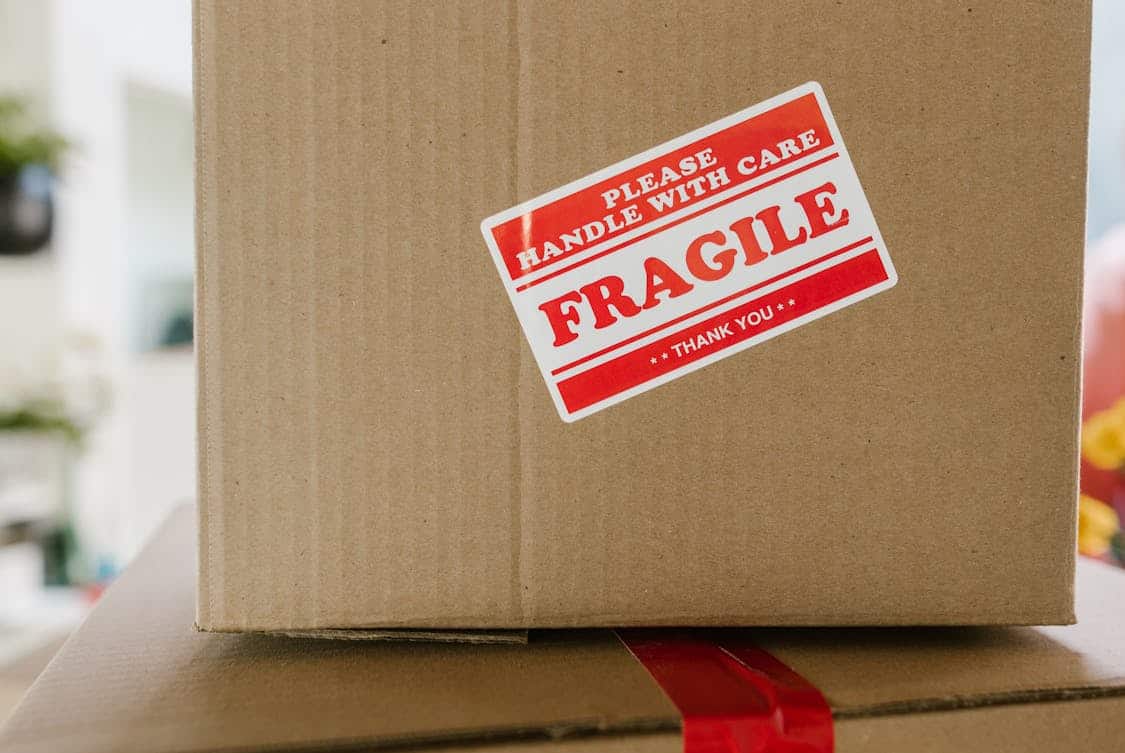
Moving fragile items over a long distance raises the stakes beyond usual packing chores and calls for a steady plan. Calm hands and a clear checklist reduce anxiety and lower the chance of breakage when trucks, roads, and weather all have a vote.
Smart material choices and careful placement inside boxes give glass, ceramics, and framed art the best shot at arriving intact.
Choosing Packing Materials
Start with boxes that match the size and expected weight of what you are packing, using small boxes for dishes and larger boxes for bulky but light items where needed. Collect a variety of padding options such as bubble wrap, plain kraft paper, foam sheets, and some clean towels that can double as padding and filler to help prevent rattling inside.
Boxes should be in good condition with well sealed bottoms and extra flaps for reinforcement, and pick heavy duty packing tape that holds under tension. Markers, sticker dots, and tape finish the kit, which helps handlers know where fragile items live and how best to place them in the truck.
Working with a professional lehi moving company can also ensure you have the right materials and guidance for every type of item.
Preparing Fragile Items For Packing
Clean and dry each item and remove loose parts like lids, knobs, and detachable stands, placing those extras in clearly labeled small bags to avoid later scavenger hunts. Wrap every object individually, beginning with a soft paper layer to absorb shocks and finishing with bubble wrap for padding, repeating that pairing for high value pieces which benefits stability.
Stack plates vertically with paper between each plate to spread pressure along the curve and make a stack less likely to crack than a flat pile under load. Use small boxes for sets and add crumpled paper or soft cloth to fill voids, creating an internal space that is snug rather than loose.
Layering And Padding Techniques
Create a cushioned base in every box with folded blankets, several layers of paper, or foam sheets to form a soft landing and reduce the impact of sudden jolts. Place heavier objects on the bottom and lighter, fragile items higher up to keep the center of gravity low and reduce the chance of crushing from uneven loads.
Build the box in distinct layers and secure each layer with small pieces of tape if needed, then fill gaps with balled paper or linens, preventing movement during transit. Finish with a final layer of padding over the top before sealing the box to protect the lid from cargo pressure, and write brief handling notes for movers.
Wrapping Glassware And Ceramics
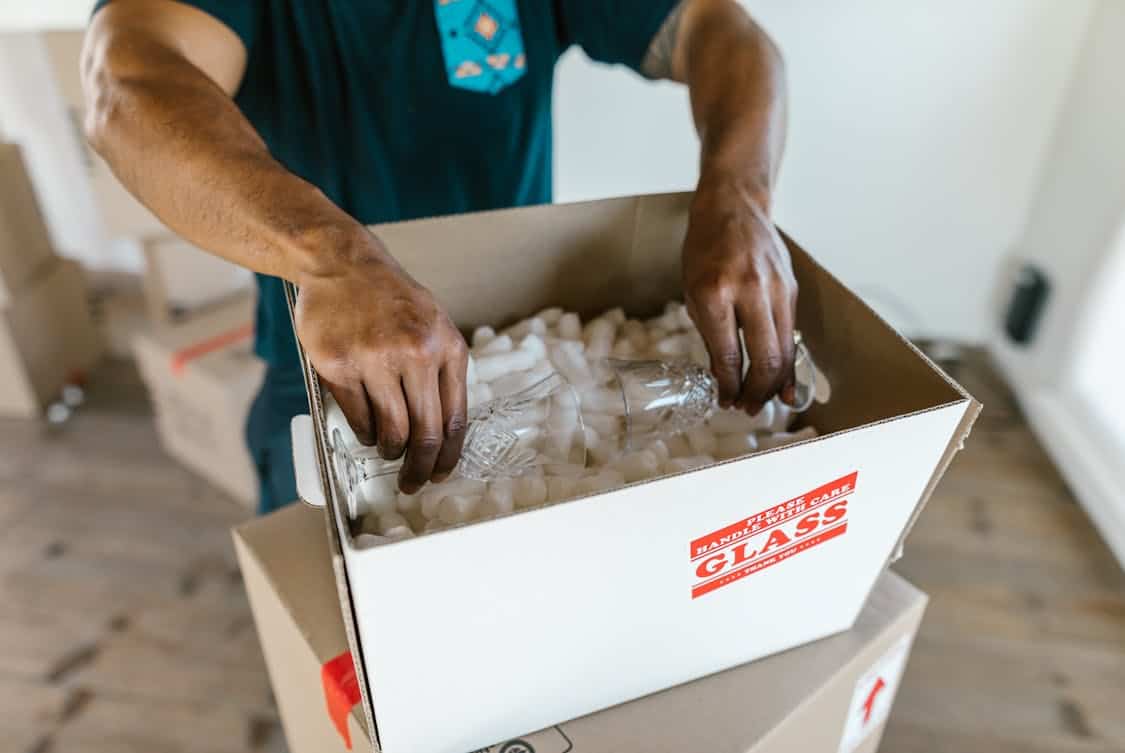
Treat glassware like prized possessions by wrapping each piece completely, fastening the paper with tape and adding extra padding around stems and handles where stress most often shows. Nest bowls and cups with paper between each item to prevent surface contact and spread any pressure across curved shapes rather than a single weak point.
For vases, candlesticks, and tall pieces build a protective collar from foam or thick paper and stand them upright in snug compartments that limit tipping. Label boxes that hold these items with a clear description and a note about which side should be up, and do not place heavy boxes on top of them while loading.
Packing Electronics And Screens
Photograph rear and side connections before unplugging cables so reassembly goes faster, and wrap each device in anti static material or soft cloth to avoid scratches and static issues. If original packaging is available it is ideal, since it fits the device, and when not available use a box that leaves at least an inch of padding on every side to absorb impacts.
Flat screens need rigid support such as corrugated board placed on both sides to prevent pressure points from cracking panels, and tape the support in place without touching the display surface. Place remote controls, cables, and small parts in labeled bags and tuck them into the same box, which keeps those bits from wandering from their unit.
Securing Picture Frames And Mirrors
Wrap each frame with a soft sheet then add a sheet of cardboard across the face and tape the edges, which reinforces corners against knocks that frequently happen during loading. For large mirrors and paintings an upright setup works best, either using a proper mirror box or an A frame that keeps items vertical because laying glass flat invites breakage when pressure shifts.
Protect corners with foam or extra cardboard and add corner protectors for frames with ornate edges to lower the chance of dents or chips during handling. Mark the package fragile and write which side faces out, allowing loaders a quick visual cue when stacking in the truck.
Loading Boxes In The Moving Truck
Load heavy items first and build a stable base, placing fragile boxes on top where they will not be squashed, which helps the whole cargo travel more securely. Keep fragile boxes snug against a wall or wedged between immovable items to limit shifting, and use straps to immobilize tall stacks and prevent tipping when the vehicle makes a turn.
Fill gaps with rolled blankets or pillows to create friction and block boxes from sliding when the truck hits an uneven patch of road. Arrange a clear path to the rear of the truck for efficient unloading, which helps avoid dragging items over other things, a common moment for breaks.
Labeling And Inventory Tips
Write concise labels that list the destination room and a short fragility note to speed placement at the new location and cut down on guesswork that wastes time. Number boxes and keep a simple inventory on paper or a basic spreadsheet to track where fragile items live, making retrieval more straightforward and less like hunting for lost treasure.
Add handling stickers or write clear instructions such as this side up and avoid stacking if a box contains glassware, allowing anyone to follow the plan without special training. Keep one inventory copy with you and brief the crew on the most delicate boxes, helping everyone move with the same playbook.