What Causes Random Facial Redness? Explained Simply
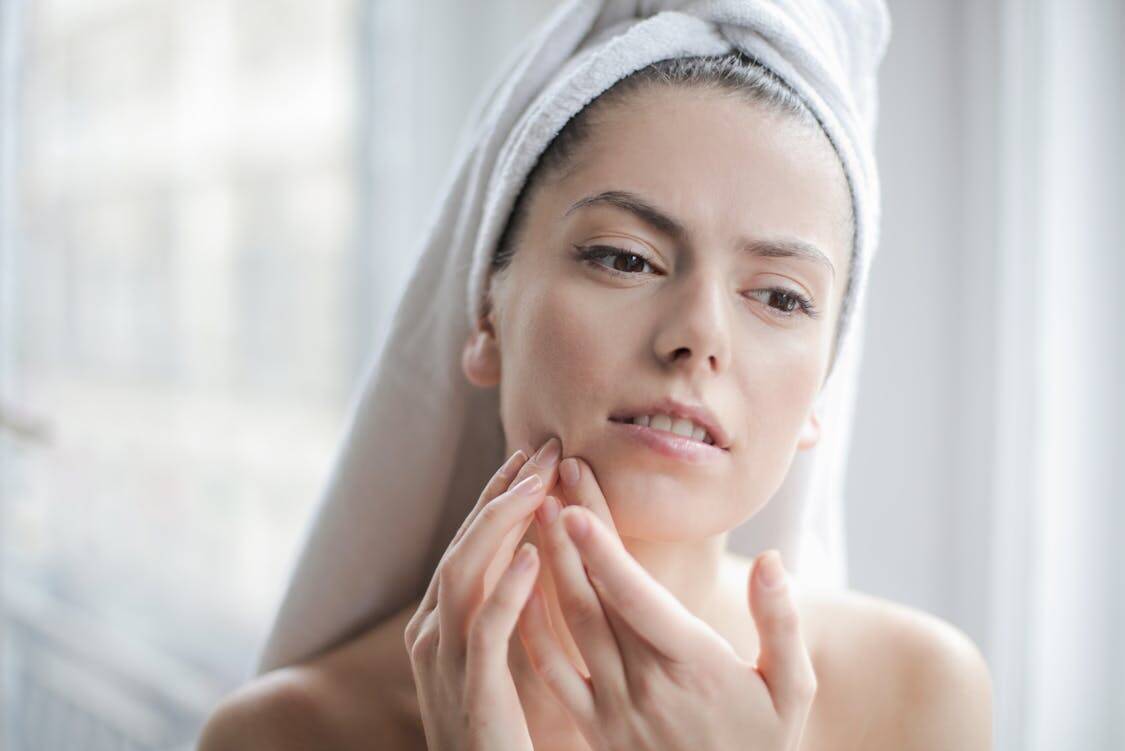
Facial redness can appear out of the blue and catch people off guard. It might flare for a few seconds or hang around for hours and sometimes it comes with warmth or a sting.
Multiple processes in the skin and nervous system can push blood into the tiny vessels near the surface and create a flushed look. Below are common causes and clear explanations to help make sense of what is going on.
What Is Flushing Versus Persistent Redness?
Flushing is a short lived surge of blood in the face that makes skin look hot and rosy for a moment. Persistent redness tends to linger and can show tiny visible vessels or small bumps on the nose and cheeks.
One is like a sudden wave and the other behaves more like a steady background color. Knowing the pattern helps point to the right cause.
Rosacea And How Tiny Vessels React
Rosacea is a long term skin condition that often causes ongoing redness with broken blood vessels and occasional pimples. Triggers can bring on flares where the face turns bright and the skin feels sensitive or rough to the touch.
Many people who have rosacea notice that redness covers the central face and can make the skin flush easily. Consulting specialists who offer comprehensive skin care and dermatology services can provide tailored treatment plans to calm the vessels and reduce visible redness over time.
Emotional Triggers And Nervous System Signals
Strong feelings such as embarrassment, anger or excitement can trigger blushing through nerves that speed blood flow to the face. The body reacts in an automatic way and the blush can show up within seconds when the brain signals the skin.
In social or stressful moments the response can repeat and feel hard to control. Learning breathing and relaxation habits can lower how often the face goes red in those situations.
Heat, Cold And Physical Activity
Temperature shifts and movement change blood flow under the skin and can produce a flushed look. A hot shower, a sun drenched walk or a burst of exercise will open vessels and bring warm color to the cheeks.
Cold air on the skin can also cause a reactive flush as the body tries to protect core temperature. Paying attention to environmental factors often helps reduce surprise redness.
Food And Beverage Triggers
Certain foods and drinks push blood to the face and can cause redness within minutes of eating or sipping. Alcohol and spicy dishes are classic culprits that make many people go red as a beet for a while.
Very hot liquids and strong hot spices act on receptors in the mouth and throat that then signal vessels in the face to widen. Keeping a quick log of what you eat and drink can reveal clear links between specific items and flare ups.
Irritants And Sensitive Skin Reactions
Topical products with strong fragrances, acids or preservatives can irritate the skin and cause an angry red patch to appear. Reactions may be immediate or slow to show and can look like burning, itching or scaly redness.
Some people have fragile skin that reacts to several items at once so small changes add up and produce a visible response. Gentle cleansing and simpler routines often calm sensitive complexions.
Medications And Supplements That Cause Flushing
Certain drugs and pills are known to make the face flush as a side effect by widening blood vessels or altering nerve signals. Niacin in high dose form, some blood pressure medicines and certain cancer drugs may produce notable redness episodes.
Even herbal or over the counter supplements can change circulation and show up on the cheeks. If red spells start after a new pill it is worth asking a clinician about alternate options.
Hormonal Shifts And Age Related Changes
Hormone swings can affect blood flow and skin reactivity, so redness sometimes tracks with cycles, pregnancy or mid life transitions. Menopause in particular brings sudden hot flashes that frequently include facial flushing and sweating.
Thyroid conditions can alter metabolism and circulation in ways that change skin tone and warmth. A brief medical check can detect hormonal patterns that match the timing of red episodes.
Rare Medical Conditions That Cause Flushing
A small set of medical issues trigger frequent or severe facial flushing and they require targeted testing and care. Carcinoid syndrome, for example, releases chemicals that provoke deep, lasting flushing episodes and often other signs.
Autoimmune conditions like lupus can produce a specific butterfly shaped rash that is steady rather than fleeting. When redness comes with odd symptoms such as diarrhea, wheeze or joint pain it raises the chance of an uncommon cause.
Allergic Reactions And Contact Problems
Allergic contact reactions on the face can appear as red swollen patches with itching or stinging after exposure to a new product or plant. Those reactions can be immediate and dramatic or slow and chronic depending on the trigger and the way the immune system reacts.
Hives and swelling require prompt attention because airway involvement changes urgency. Allergy testing and careful avoidance strategies help prevent repeat episodes.
When Redness Starts To Interfere With Daily Life
When random redness affects confidence, sleep or social work it becomes a concern that is worthy of a medical chat and targeted help. Keeping a short diary marking time of day, foods, products and emotions can reveal patterns that point to a cause.
A skin specialist will look for signs such as visible vessels, bumps or scale and may suggest treatments that include topical gels, light based therapy or oral medication. Simple changes often reduce the number of flare ups and let skin return to normal more often.