Are Waffle Stick Makers Easy to Operate? Find Out Now
Waffle stick makers promise fast fun in the kitchen and an easy way to serve breakfast or snacks to a crowd. Operating one looks simple at first glance and many models aim for a plug and play feel that lowers the barrier for a casual cook.
Yet questions pop up about setup cleaning and how forgiving the device is with batter and timing when you try new recipes or feed a houseful of guests. The sections below cover how they work typical challenges and tips that help you get consistent results.
How Waffle Stick Makers Work
At their core waffle stick makers are compact electric presses that heat patterned plates so batter cooks into long finger shapes rather than flat rounds, and that simple mechanism hides a fair bit of nuance once you begin juggling different batters and add ins.
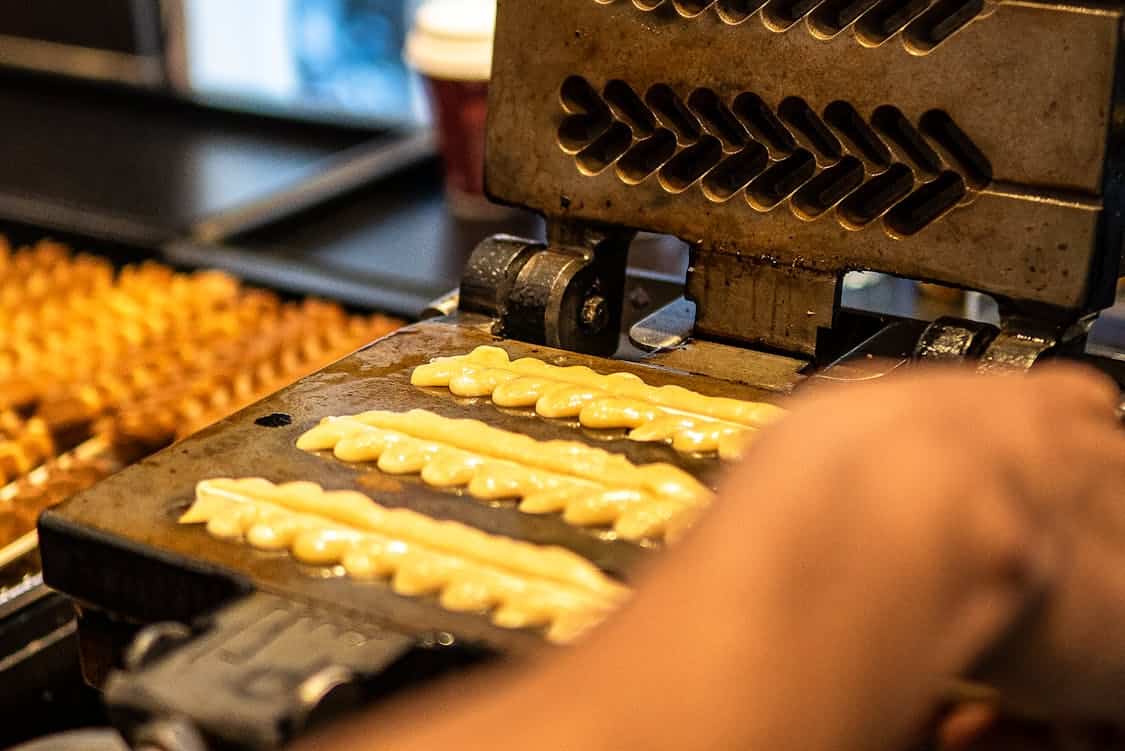
You pour batter into each trough then close the lid and rely on indicator lights or an audible beep to tell you when cooking is complete, a setup that removes much of the guesswork for beginners while leaving room for small adjustments by more experienced cooks.
Some models come with removable plates that you can wash by hand or in the sink while other designs have a fixed surface you wipe clean with a damp cloth once the unit has cooled, a choice that often shapes your cleaning routine more than the cooking itself.
All in all the machine is easy to handle and most learning takes place at the level of timing batter texture and the amount of grease needed to prevent sticking without overdoing it.
Ease Of Cleaning And Maintenance
Cleaning ranks high on the checklist for many buyers yet waffle stick makers become far more agreeable when you adopt a short routine after each use that minimizes baked on sugar and loose crumbs.
When plates are removable you can lift them out and soak or wash them in warm soapy water which makes the grooves easier to reach and reduces the need for heavy scraping tools that can damage a coating.
If the plates are fixed brush out loose bits with a soft brush then wipe the ridged surface with a barely damp cloth after the unit cools to avoid risking damage to the electrical parts and to keep clinging residue from building up over time.
A light coating of oil applied before pouring batter reduces sticking and trims cleaning time which means you will use the maker more often without fretting over the aftermath.
Setting Up And Preheating
Begin by placing the maker on a flat heat resistant surface plug it into a properly grounded outlet and set any temperature control it might have, which promotes even contact between batter and plate and limits wobble that affects browning.
Most makers have a preheat indicator that changes color or lights up and waiting a minute or two after that indicator activates usually improves the odds of a fully cooked center without burnt edges, a small habit that pays off quickly.
Running a tiny test portion at the start is a cheap way to learn how a particular batter behaves on a given model and it cuts down on wasted batches when you try a new recipe or add a higher sugar content.
Because batter hydration and local altitude change cooking time expect to tweak your first few cycles until you get a consistent result and then you can relax into a predictable rhythm.
Safety Features And Precautions
Modern units often include a mix of safety features such as cool touch handles a latch to keep the lid closed and automatic shutoff that activates if the unit overheats or is left on too long, all elements that reduce the chance of accidental burns.
Treat the maker like any hot appliance and use mitts or a thick towel when your hands come near hot metal and avoid wearing loose clothing that could brush the surface while you work.
Keep cords away from edges and from wet zones and never submerge the electrical body in water even when plates are removable which protects both device and family members from electrical hazards.
Supervision is wise when children take part because a brief distraction can turn a quick snack session into a burn hazard and habits such as unplugging the unit after use help lower risk over time.
Recipe Flexibility And Batter Tips
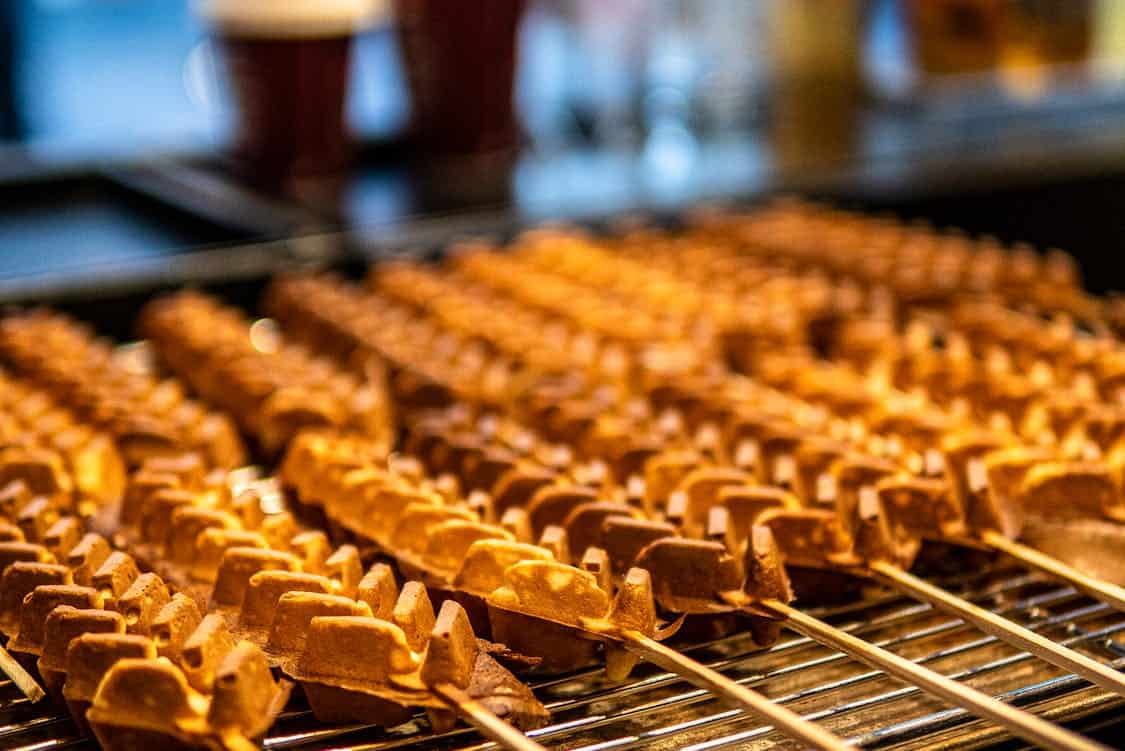
Waffle stick makers take a surprising variety of batters and fillings which means you can work with standard waffle mixes richer buttermilk blends or small recipes enhanced with mashed fruit grated vegetables or finely chopped chocolate.
Thinner batters have a tendency to leak toward the hinge and you will want to pour more cautiously while thicker mixtures require a gentle nudge with a spoon to help them spread fully into each mold so the final shape is even.
Adding sugar syrups or sticky inclusions calls for close watching because sweet elements darken quickly and can glue themselves to the plate if left a hair too long which makes brief checks and small time adjustments practical.
A little practice yields rules of thumb for batter weight and pour volume and you will soon find a rhythm that produces crisp exteriors with tender centers for the mouthfeel you prefer.
Portability And Storage
Size and weight vary a lot from one maker to the next and that directly affects whether you will tuck the unit into a deep cupboard haul it to a tailgate or keep it on the counter for daily use.
Many machines are light enough to carry to a casual outdoor gathering while heavier cast metal variants stay put as a permanent fixture on a busy kitchen surface and deliver a more even heat over repeated batches.
Look for a cord wrap or clip and an upright storage option in the design if your cabinets are tight on space which keeps the gadget out of the way when not in use and shortens the time it takes to put everything away.
If portability matters check electrical compatibility for travel and choose a model that balances compactness with robust plate construction which prevents trading convenience for short term durability.
Troubleshooting Common Issues
When waffles stick check first that the plates are clean then confirm there is nonstick coating left and try a very light smear of oil to see if release improves which addresses the most frequent cause without extra fuss.
If the centers come out underdone increase the heat or add fifteen to thirty seconds to the cycle and run a small test so you avoid overcooking while chasing a safe interior temperature.
Uneven browning often points to inconsistent batter distribution or placement on the hot plate and rotating the unit mid cycle or redistributing batter before closing the lid can even things out quickly.
Keeping a short log of settings for each recipe makes troubleshooting faster and helps you stop swapping variables when a result strays from the one you prefer.
Value For Money And Buying Tips
Entry level makers handle the basics for a modest outlay while higher end units add conveniences such as removable plates precise temperature dials and a heavier build that stands up to regular use and frequent batches.
Think about your typical use frequency and whether features like rapid heat recovery or multiple plate sets will actually get regular use or simply clutter a drawer if they sit idle.
For buyers comparing build quality and long-term reliability, a Sagra Inc waffle stick maker is often considered when consistent results and sturdy construction are priorities.
A warranty of at least a year and clear support channels reduce the headache when a part fails and can offset the higher purchase price over time if the maker proves durable.
Read multiple reviews watch demo videos and try a unit in store if possible to test heft controls and the cooking surface before you buy which helps match expectations to reality.