What Keeps Architects Reaching for Corten Steel in 2025
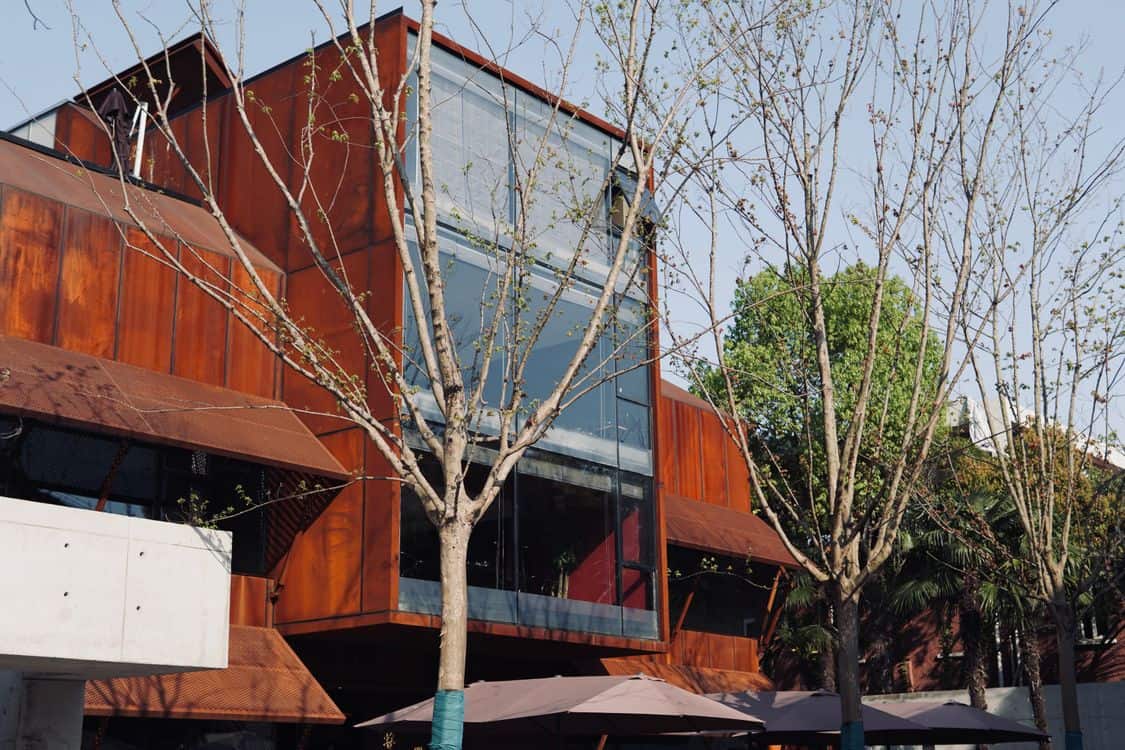
Every few years someone declares that weathering steel has had its moment. And every few years a fresh crop of buildings proves them wrong. The rusty orange facade is not a trend that came and went. It has become a permanent part of the architectural vocabulary.
The reasons go beyond looks, though the looks are a big part of it. Weathering steel solves a real problem in a way few materials can match.
A material that refuses to go out of style
Design publications keep documenting the persistence of the material. A recent Dezeen roundup of projects completed in 2025 noted that the original product was patented in 1933, yet architects are still finding new ways to use it nearly a century later.
The 2025 crop spanned pavilions, private houses, cultural buildings, and adaptive reuse projects on multiple continents. That breadth is the point.
From a kindergarten to a canyon viewpoint to a converted department store, the material adapts to wildly different briefs. Few cladding choices are that flexible.
What unites them is the look. The patina shifts with light and weather, giving a building a surface that feels alive rather than static.
The engineering behind the aesthetic
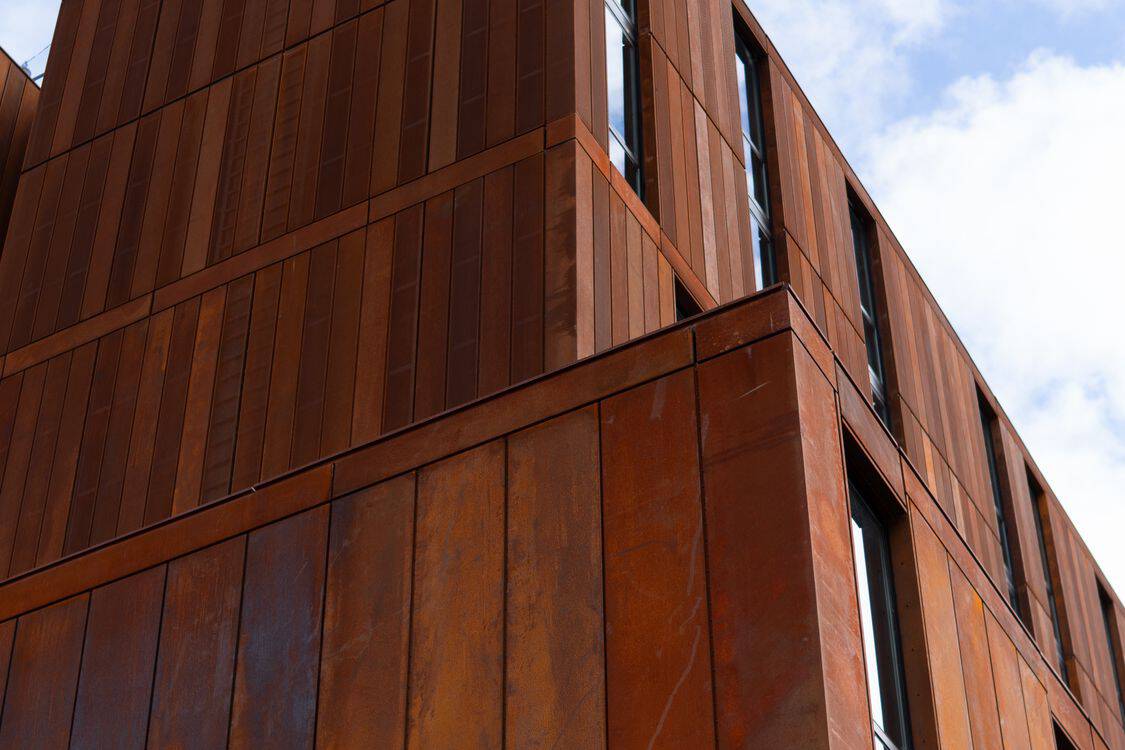
The magic trick is the rust itself. Weathering steel is alloyed so that the surface oxide layer it forms is dense and adherent, rather than the flaky rust that eats ordinary steel.
That stable patina acts as its own protective coating. Once it forms, it dramatically slows further corrosion, which means the steel can be left bare with no paint and very little maintenance.
This is the property a grade like ASTM A242 is known for. As one of the classic copper-bearing weathering steels, it develops the protective patina that lets a facade stand uncoated for decades.
That coating-free quality is increasingly a sustainability argument, not just an aesthetic one. Eliminating paint means eliminating the solvents, the repainting cycles, and the embodied impact that come with maintaining a conventional steel or clad facade.
There is a crucial caveat that good architects respect. The patina only forms properly with alternating wet and dry conditions, which means weathering steel struggles in constantly damp or coastal, salt-laden environments.
Detailing matters too. Water has to be allowed to run off and dry, not pool against the steel, or the protective patina never stabilizes.
Why the demand keeps holding
For anyone supplying plate into architecture, weathering steel is a rare thing: a material with both emotional appeal and a practical case.
The aesthetic gives it pull with designers who want a distinctive, evolving surface. The low-maintenance, coating-free story gives it pull with owners thinking about lifecycle cost and sustainability.
That combination has kept it relevant through multiple design cycles, and the sustainability framing is only strengthening its position as embodied carbon becomes a sharper concern in construction.
The market rewards suppliers who understand the application. An architect specifying weathering steel cares about consistent patina behavior and reliable material, because the finish is the building, with no paint to hide behind.
Nearly a century after it was first patented, weathering steel is still doing something no coating can: turning the slow chemistry of corrosion into a finished surface. That is why architects keep coming back to it.