Why a Federal Heat Rule for Roofing Crews Keeps Stalling in Washington
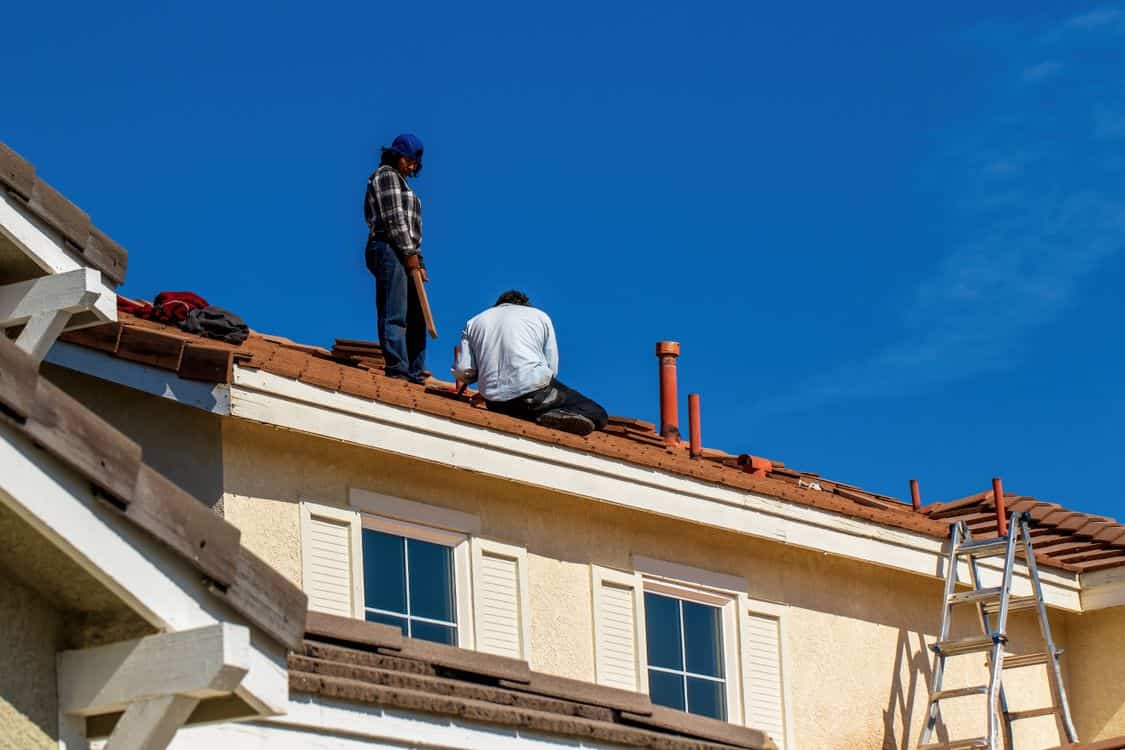
Roofers work the hottest surface on any job site, in direct sun, often in a state with no state-level heat protections at all. Texas is one of them. And the federal rule meant to set a floor for that risk has been sitting unfinished in Washington for two years.
Nobody disputes the underlying danger. Asphalt shingles run well above ambient air temperature by midmorning, and a roof deck in direct August sun in Central Texas can get hot enough to make bare-hand contact painful within seconds. Crews already know this. What’s missing is a federal standard that turns what crews already know into an enforceable floor every employer has to meet.
The proposed rule has been stuck in the same holding pattern since 2024
OSHA published its Notice of Proposed Rulemaking for heat injury and illness prevention on August 30, 2024. It would cover outdoor trades directly, including roofing, along with construction, agriculture, and general industry work performed in high heat. Two years later, it’s still a proposal.
The initial public comment period closed in January 2025. A second, extended comment window that followed public hearings closed on October 30, 2025, according to legal analysis tracking the rulemaking’s status. No final rule has been issued since. There’s no target date on the federal government’s own regulatory agenda for when one might be.
Two full comment cycles is a lot for one proposed rule. Employer groups, safety advocates, and state regulators all weighed in, which is normal for a rule this size. What isn’t normal is how long the silence has stretched since the last comment window closed, with no proposed final text circulating publicly and no hearing scheduled to move it forward.
That’s the part contractors keep running into. The rule hasn’t died and it hasn’t been withdrawn. It’s just parked somewhere between finished and abandoned, with no visible timeline attached to either outcome.
A separate enforcement program is expiring while the rule stays parked
Here’s where it gets more immediate for crews working roofs this month. OSHA’s Heat National Emphasis Program, the targeted inspection initiative that’s directed enforcement attention toward high-heat industries since 2022, is set to expire April 8, 2026. It was extended once, by a year, under the prior administration. There’s no public indication the current one plans to extend it again.
So the emphasis program that’s been doing the practical work of flagging heat hazards on job sites may lapse before the permanent rule that was supposed to replace it ever gets finished. That’s not a hypothetical gap. It’s a specific calendar problem with a specific date on it.
General Duty Clause authority still applies regardless of what happens to either the NEP or the proposed standard. OSHA can still cite an employer for a recognized heat hazard under existing law. But that’s a much blunter, harder-to-enforce tool than a rule with defined trigger temperatures, mandatory water and shade breaks, and acclimatization schedules spelled out in writing. That specificity is exactly what the 2024 proposal was trying to establish before it stalled.
Roofing crews are stuck working under a patchwork instead of one clear standard
A few states have their own heat rules for outdoor workers. California, Oregon, Washington state, Colorado, and a handful of others require water, shade, and rest breaks at defined temperature thresholds. Texas has none of it at the state level, and a 2023 state law actually preempted cities from passing their own local heat ordinances, which knocked out rules Austin and Dallas had on the books.
That leaves roofing crews in Central Texas operating under whatever protocol an individual contractor chooses to run, with no legal floor beneath it beyond the general duty standard.
Some contractors run water-and-shade protocols anyway, on their own initiative, because the liability exposure and the plain human cost of not doing so are obvious regardless of what’s on the books. Others don’t. The absence of a federal rule doesn’t create that gap by itself, but it does mean there’s no consistent standard forcing every crew toward the same baseline.
Trade groups have been split on what a final rule should actually require. Some contractor associations have pushed back on rigid temperature triggers, arguing conditions vary too much by trade and by region to fit one national threshold. Worker advocacy groups counter that a patchwork of employer discretion is exactly the problem, not a defense of it. That disagreement is part of why the rulemaking has moved so slowly, aside from the ordinary friction of federal rulemaking itself.
Meanwhile the actual weather hasn’t waited for any of it to get sorted out. Austin has logged stretches of triple-digit afternoons every summer for years running, and roofing work doesn’t pause for a rulemaking docket. Crews are up there regardless of what Washington finishes or doesn’t. For homeowners comparing roofing companies in Austin, summer heat-safety practices are one operational detail worth asking about when work is scheduled during extreme conditions.
Whatever eventually happens with the federal rule, it won’t retroactively change how this particular Texas summer went. Crews finish the job they’re on, then start the next one, on whatever schedule the heat allows.
What might actually shift the picture sooner than a finished rule is workers’ comp litigation and OSHA’s own general duty citations piling up in the meantime. A serious enough injury or death on a job site tends to draw more scrutiny than a slow-moving rulemaking docket ever could, and a handful of high-profile cases can push contractors toward stricter protocols faster than a Federal Register notice. That’s an ugly way to get to safer job sites, but it’s the pressure valve that’s actually functioning right now while the official one sits stuck.
Whether the proposed rule gets finalized under this administration, gets rewritten, or just quietly dies in the regulatory queue is genuinely unclear right now. Nobody tracking the docket is predicting a date with confidence. For roofing crews working August afternoons in Austin, that uncertainty is the whole story. The rule that was supposed to answer the question is the thing still stuck.