How to Start Investing in Silver for Steady Growth Today
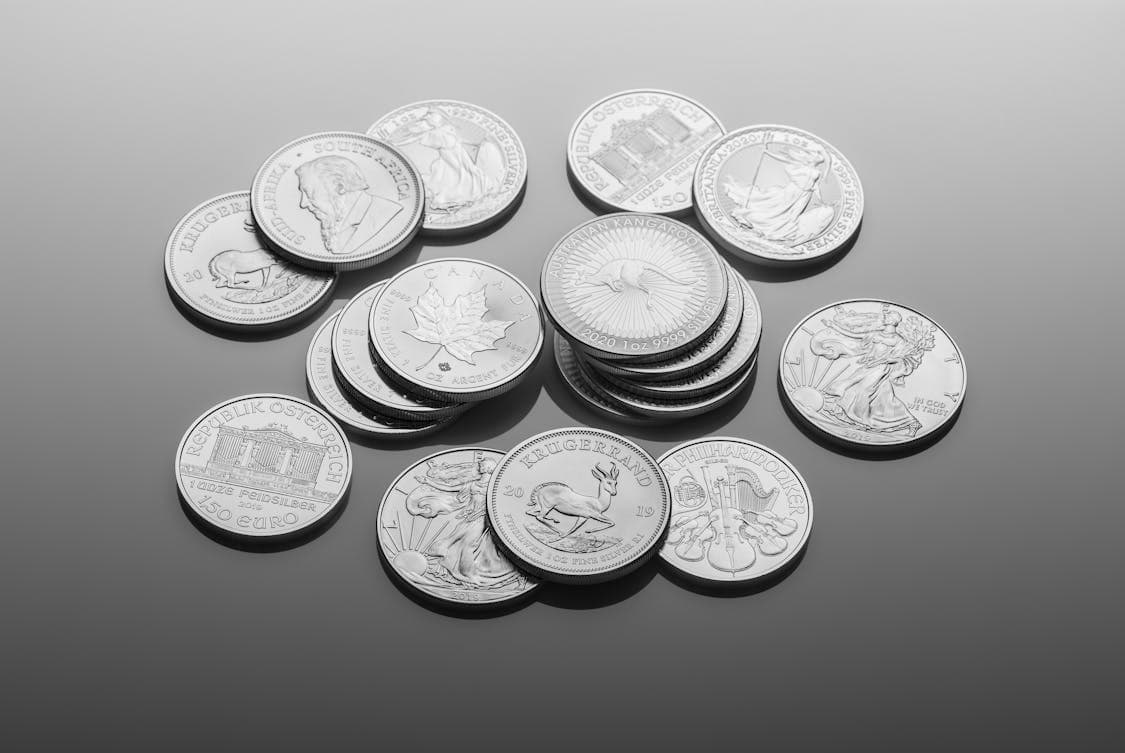
Investing in silver can be a steady and sensible way to diversify a financial plan and protect purchasing power over time. Silver carries industrial demand along with safe haven appeal, which gives it a unique dual role in a portfolio. New and seasoned investors alike can find paths that fit their personal goals and risk comfort.
Why Silver Fits Into A Balanced Portfolio
Silver often behaves differently from stocks and bonds, so it can smooth portfolio swings when markets get wild. The metal has a history of holding value over long spans, with episodes of strong appreciation when currencies wobble.
Investors like small investors and large institutions both add silver when they seek a tangible asset to buffer paper holdings. The mix of store of value attributes and industrial demand gives silver an adaptable profile.
Silver demand comes from many sectors that actually use the metal, which can support price movement over time. Photovoltaic panels, electronics and medical applications all call for silver, and those end uses can add a steady baseline for demand.
At the same time, people use coins and bullion for savings and gifts, introducing a consumer driven layer of demand. That combination helps silver avoid being a one trick pony.
Understanding Supply And Demand Factors
Mines produce most of the supply but recycling and secondary sources also contribute and can fluctuate with scrap prices. Mining output often reacts slowly to price moves because projects take years to develop, which can create lags that influence markets.
On the demand side, small shifts in industrial use or investor appetite can move prices more quickly than many expect. Those dynamics mean tracking both production reports and end use trends can be useful.
Geopolitical events and currency moves can push investors toward tangible assets, and silver may benefit when trust in paper money weakens. Monetary policy that results in low real rates can attract attention to precious metals, as they offer an alternative store of value.
Conversely, strong equity markets and rising interest rates can weigh on silver returns and alter sentiment. A mix of macro awareness and attention to specific industry demand gives a fuller picture.
Comparing Physical Silver And Silver Securities
Owning physical metal feels immediate and direct, with coins or bars in hand or stored in a vault for peace of mind. Paper products such as exchange traded products and mining shares provide exposure without the need to touch or store the metal personally.
Paper vehicles offer liquidity and ease of trading in markets while physical silver requires choices about delivery and custody. Each route carries trade offs in cost, convenience and control.
Mining company shares add another layer of risk and reward because they tie to management, production costs and corporate balance sheets. A metal price rise helps producers, but company specific issues can cut both ways and sometimes magnify moves.
Exchange traded products may carry fees and tracking error, and they may not be redeemable for physical metal in all cases. Matching vehicle choice to the role silver plays in an overall plan helps set expectations.
Where To Buy Physical Silver Safely
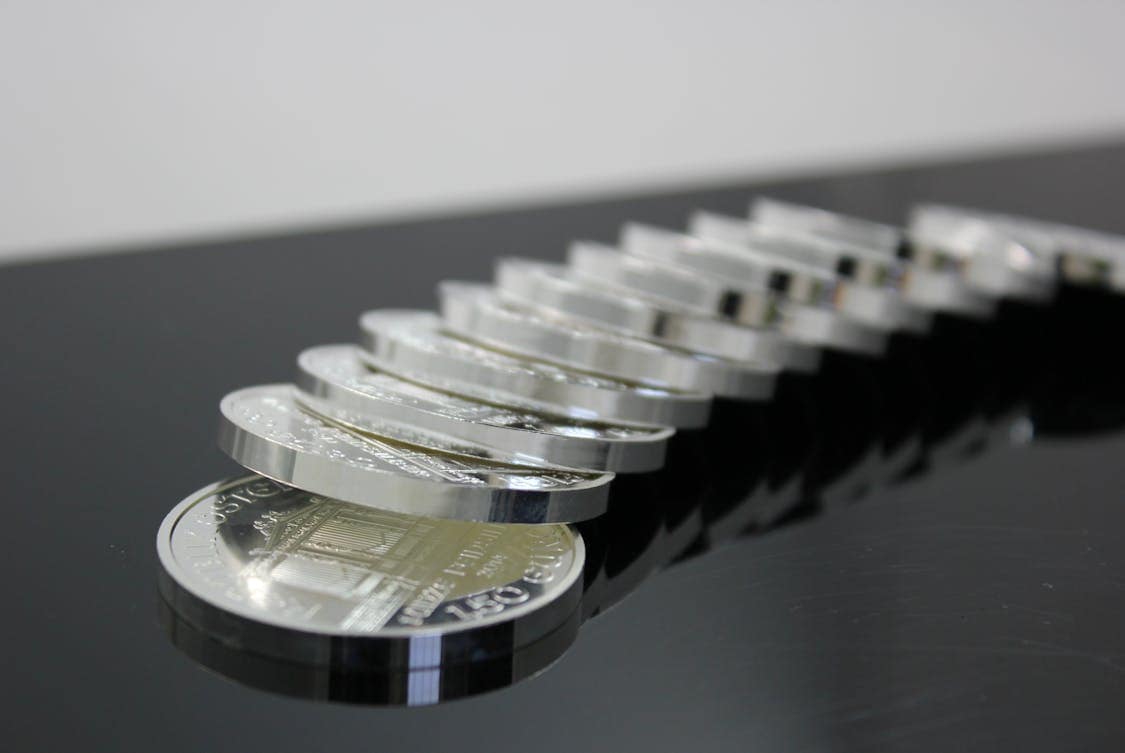
Reputable dealers and established mints offer coins and bars that carry recognizable markings and guaranteed weight and purity. Local coin shops can provide the chance to inspect items in person and ask direct questions of staff.
Online dealers offer wide selection and shipping options but require care with credentials and return policies. Comparing buy sell spreads and reputation can save headaches and add value over time. Some collectors specifically seek out money metals silver eagles, as these coins are widely recognized and easier to resell in secondary markets.
Auctions and private sales can also work but they require experience and an eye for common pitfalls such as counterfeit items or unclear provenance. Many buyers prefer products with widely recognized designs because resale markets are deeper and pricing more transparent.
Storing receipts and assay documentation supports future resale and can limit disputes. A cautious approach to sourcing protects capital and preserves optionality for later moves.
How To Store And Protect Physical Silver
Home storage provides access and low ongoing cost but risks theft and requires discreet safeguards and insurance. Using a secure bank safe deposit box or a professional vault service transfers custodial risk to an institution that specializes in protection.
Insured storage options may add fees but offer peace of mind and documented chain of custody. Choosing the right storage method aligns with how quickly one expects to access the metal and personal risk tolerance.
Proper handling avoids scratches and toning that can affect numismatic premiums for certain pieces, while documentation demonstrates authenticity and chain of title. Labeling boxes and keeping separate records reduces the chance of misplacing items in larger collections. Periodic audits of holdings ensure records match physical inventory and support estate planning steps. A structured storage plan saves time and reduces friction when selling or gifting later on.
Using Silver Exchange Traded Products
Exchange traded products provide exposure to the metal with intraday liquidity and straightforward brokerage access. Some products hold physical metal while others replicate moves through futures or baskets, so product structure matters for long term performance.
Fees are typically expressed as an expense ratio and can erode returns if left unchecked over many years. For many investors the trade off between cost and convenience drives the choice.
Tracking differences such as how much metal a product holds or whether it lends holdings affects risk and return characteristics. Tax treatment may vary by jurisdiction and by whether the product qualifies as a commodity fund or a different asset class.
Size of creation and redemption units can influence spreads and trading costs during volatile periods. A clear view of product mechanics helps set realistic expectations for long term performance.
Tax And Cost Implications To Watch
Buying coins or bars involves dealer mark ups and potential state sales taxes where applicable, which raise initial cost basis. Paper products have expense ratios and trading commissions that shape returns under frequent buying or selling.
Capital gains treatment on precious metals can differ from standard securities in some places, and certain tax rates may apply to collectibles. Keeping tax records and asking a tax advisor about local rules prevents surprises later.
Storage and insurance fees add to the ongoing cost of holding physical metal and can be modest or material depending on the arrangement chosen. Transaction costs such as bid ask spreads widen during volatile moments, which can increase slippage for large trades.
Factoring these costs into an acquisition plan helps measure net return rather than headline price moves alone. Being realistic about fees and taxes makes planned gains feel more tangible.
Building A Steady Acquisition Plan
Regular purchases at fixed intervals smooth out timing risk and turn a lump sum decision into a habit that many investors find easier to maintain. Choosing a dollar amount and sticking with it through various market environments reduces the temptation to chase short term spikes.
Over time the cost basis averages out and investors can benefit from discipline rather than emotion. That steady approach suits silver as a long term complement to other holdings.
Allocating a fixed share of liquid assets to silver rather than an absolute dollar figure keeps exposure proportional to an overall plan. Periodic rebalancing back to target allocations prevents one holding from drifting into an outsized position after strong price moves.
Goal setting clarifies whether silver is serving as insurance against inflation or rather a speculative overlay. Clear rules remove doubt and keep actions aligned with outcomes sought.
Monitoring And Adjusting Your Silver Holdings
Set up a routine to check markets and holdings at intervals that fit personal attention spans and life rhythms, such as quarterly or semi annual reviews. Track both the metal price and any relevant news about supply chain changes or major demand shifts that could influence medium term direction.
Adjustments might include trimming a position after a large run up or adding at pullbacks when other assets look overbought. Having rules for when to act reduces the noise that often leads to impulsive moves.
Record keeping pays dividends when evaluating performance over time and when making estate arrangements or tax filings. Note purchase dates, prices, storage choices and fees to build a clear picture of net returns and costs.
Periodic note taking also highlights patterns in buying behavior that can be refined to improve outcomes. A calm, methodical approach to oversight keeps the focus on steady growth and sensible stewardship of capital.