Off Peak Hot Water Systems Explained For Modern Homes
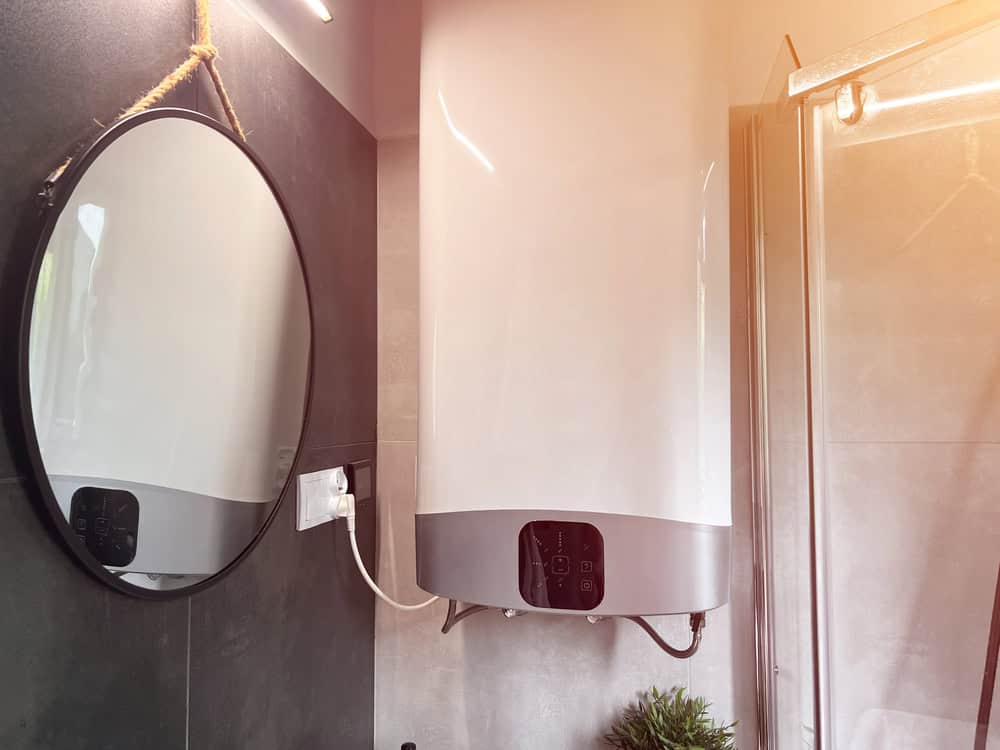
Off peak hot water systems shift the timing of heating so households use cheaper energy windows and keep taps warm when meter rates are high. The basic idea is straightforward, yet the choices, wiring, and fuel options can make each setup behave quite differently in real life.
How Off Peak Systems Work
Off peak systems move the act of heating away from high price periods by using timers, tariffs, and storage to concentrate energy use at night or during low demand windows. A heater or heat pump switches on when the tariff drops and fills a well insulated cylinder so hot water is available during the morning and evening rush.
Controls include basic mechanical timers or modern controllers that learn usage patterns and cut in at the right time; safety devices stop overheating and relieve pressure if something goes awry.
If you need help figuring out the daily rhythm of your system, especially if you’re wondering when off-peak hot water starts, this simple check can make managing your usage far easier. Overall the system trades time for cost by storing thermal energy instead of running the element when rates peak.
Types Of Off Peak Systems
Storage electric systems rely on an insulated cylinder with an immersion element that runs mainly under low cost rates and supplies hot taps later in the day. Heat pump driven cylinders use electricity at low rates to lift heat from the air or ground and can multiply energy input into useful heat, improving apparent efficiency.
Some installations combine solar thermal collectors for daytime topping up of the store so that the low cost hours are only used for replenishing what the sun did not provide. Fuel choice and available space tend to steer the decision, and each option has trade offs in capital cost, running cost, and complexity.
Tariffs Timing And Cost Signals
Energy suppliers publish specific low rate windows that vary by region and meter type and those windows are what off peak systems chase for savings. Typical night time slots last several hours, and some plans offer brief daytime windows that can be handy for afternoon draw patterns or late shifts.
The bigger the gap between peak and off peak rates the more attractive the stored heat approach becomes, but working the numbers matters because high standing charges or frequent top ups can eat into gains. Smart meters and tariff schedules make it easier to calculate likely savings before any work begins, and a simple spreadsheet often shows whether the change is worth the hassle.
Sizing For Household Needs
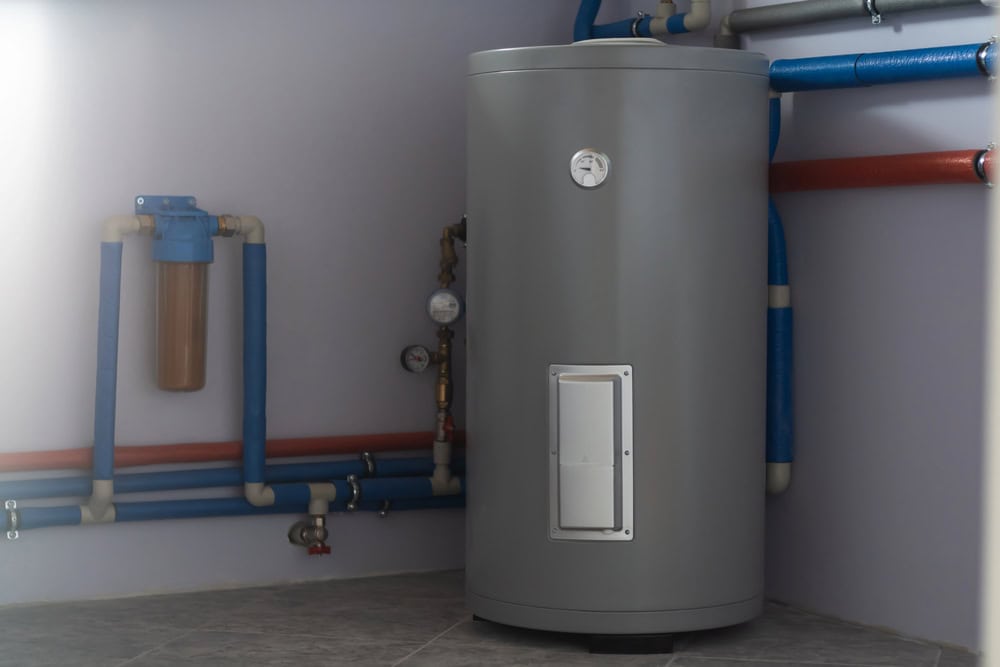
Cylinder size is a strikingly practical choice because too small a tank forces expensive peak hour reheats while too large a tank wastes energy keeping unused water warm. A good tactic is to sketch a typical day with shower count, laundry runs, and evening washing up and match that draw pattern to litres per minute and per event; that gives a realistic baseline for tank volume.
Recovery rates for the heating element or heat pump matter as much as volume because a slow recovery can leave a household high and dry if heavy use follows a long gap. Getting these numbers right cuts the chance of switching back to peak hour reliance and helps the system pay its way.
Controls And Smart Integration
A modern controller can do more than start and stop at fixed times; it can adapt to low price windows, accept manual overrides, and link to weather or solar production data for smarter decisions. When a controller talks to a home hub or a solar inverter it can delay reheats until panels produce, or pull heat forward when a cheap tariff is about to begin, and these small timing tweaks add up.
Learning routines that spot when people rise and when showers occur reduce wasted heat and make sure stored water is warm when needed without constant fiddling. Smart gear is not a silver bullet, but pairing sensible programming with occupant habits often yields steady savings and less fiddly upkeep.
Installation And Safety Notes
Correct placement and installation prevent heat loss, reduce pipe runs, and keep required service access clear so any valve or thermostat work is simple and safe. Mandatory fittings such as pressure relief devices and expansion components are there to stop pressure related damage and to meet code, so skipping them is out of the question.
Insulation applied to the cylinder and to exposed pipework slows cooling and increases the useful part of every off peak charge so fewer top ups are necessary. Using a licensed tradesperson for wiring and plumbing reduces risk, keeps warranties valid, and usually speeds approvals with local building authorities.
Maintenance And Lifespan
A tank that gets a yearly look over will usually outlast one left alone because small corrosion issues and scale build up are the usual killers of hot water stores. Inspecting the sacrificial anode element, testing thermostats, and flushing the cylinder to remove sediment all protect heat transfer surfaces and keep recovery times brisk.
Logging each service visit builds a useful history that flags parts reaching the end of their life before they fail on a cold morning and cause disruption. With steady care many cylinders serve well into their second decade, but water hardness and cycling frequency will shorten or lengthen that span in practice.
Tips For Everyday Use
Plan major hot water draws like laundry and dishwasher cycles to fall inside the off peak window so the stored energy is used rather than wasted. Dropping the thermostat a couple of degrees often saves a noticeable sum while keeping showers comfortable and scald risk low, a small tweak with a big return.
Avoid emptying the cylinder completely between charges because a half full buffer usually means heat is available without firing the element at peak times. A simple routine of checking timer programs, pipe insulation, and valve operation every few months keeps the system honest and frees owners to get on with life.