TikTok says one livestream can outsell a week of business
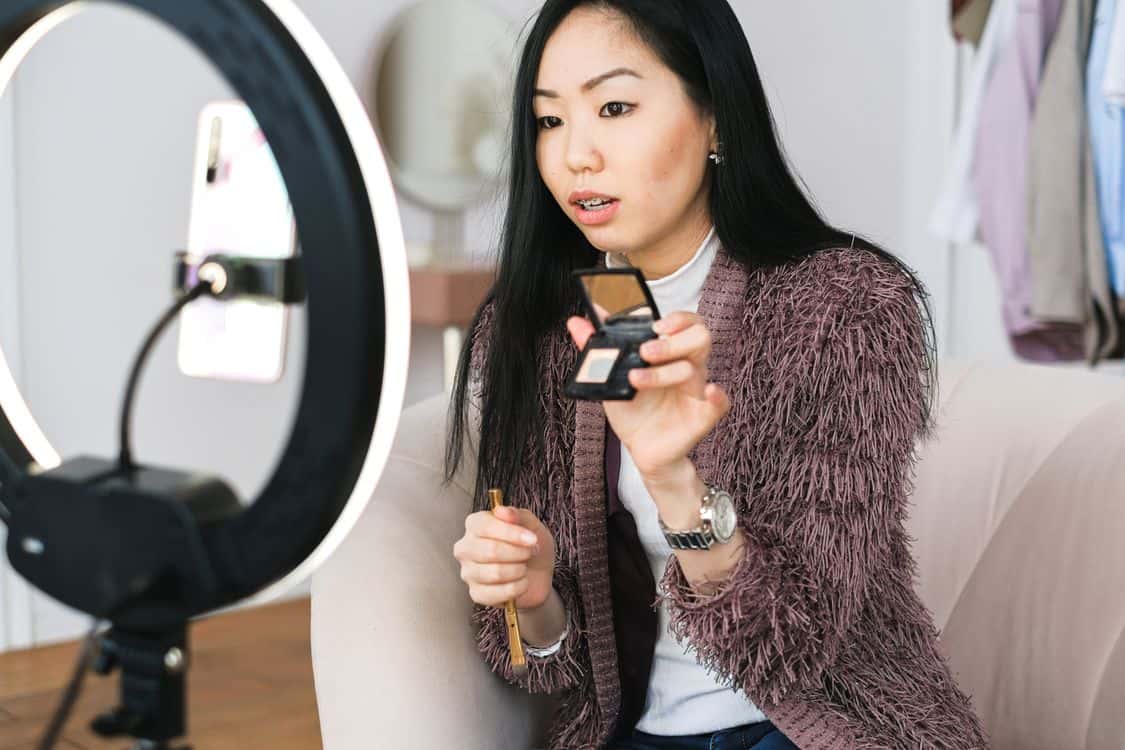
TikTok has a striking pitch for small retailers ahead of Black Friday: turn on the camera, and a single shopping broadcast could bring in more revenue than a week of sales elsewhere.
Its November 12 UK LIVE Shopping Report says 61 percent of surveyed small and medium-sized businesses reported that result. The number deserves attention, but so does the group behind it: these were businesses already using live shopping, not a representative sample of every small shop.
The survey starts with businesses already broadcasting
TikTok’s survey of live-shopping businesses describes a OnePoll survey of 735 decision-makers at UK businesses using live shopping, conducted between October 6 and November 6. TikTok commissioned the research through its agency.
The distinction matters when interpreting the headline figure. It describes what existing users said about their experience. It does not establish the probability that a shop starting its first broadcast will achieve the same result, or whether the additional revenue produced additional profit.
The report also says 32 percent of live-shopping viewers subsequently bought a product in a physical store after seeing it in a broadcast. That gives people interested in helping local businesses grow through social media a practical role beyond clicking the buy button: sharing a useful demonstration can help someone decide to visit the shop itself.
A local share is more useful when it includes information a potential customer can act on. A shop’s location, the product being demonstrated and whether it is available for collection tell a nearby viewer more than a generic recommendation to support small businesses.
Revenue leaves several costs out of the picture

A busy broadcast can still be expensive to run. To assess a session, a retailer needs to account for the cost of the products sold, any discount, selling fees, packing, delivery subsidies and the time spent presenting and fulfilling orders.
Consider two sessions with identical sales totals. One sells full-price stock to new customers. The other uses deep discounts and mostly reaches people who would have purchased anyway. The revenue headline is the same; the commercial result may be very different.
| Measure | What it helps establish |
|---|---|
| Revenue after refunds | How much of the initial sales total remained |
| Contribution after direct costs | Whether the session left money to cover overhead |
| New versus returning buyers | Who the broadcast reached |
| Orders fulfilled on time | Whether the shop could handle the demand |
These measurements also prevent an awkward comparison between a heavily promoted live event and an ordinary trading week. Recording the promotion, staffing and discount alongside the result makes the next session easier to evaluate.
The demonstration needs to answer a buying question
Live video has an obvious advantage when a product benefits from being shown rather than described. A bag can be opened and packed. A kitchen tool can be used. A seller can answer a question about dimensions while the item is in view.
The strongest test for a small business is therefore specific: what uncertainty would this broadcast resolve for a customer? If the answer is merely that the shop would like more attention, a short recorded demonstration may accomplish the same job with less staff time.
For a first trial, a narrow product selection and a clear stock limit would make the result easier to interpret. Recording the questions viewers ask can also improve the ordinary product listing after the live session ends.
TikTok’s figures make a case for testing the format. They do not supply the shop’s margin, staffing capacity or likely audience. Those are the numbers that decide whether a strong-looking broadcast was actually worth repeating.