How to Use Native Plants for a Sustainable Landscape

Native plants anchor a resilient approach to greener outdoor areas. They fit local soils and climates and often need far less water and care than exotic options.
Choosing them can cut maintenance time while creating habitat for local birds and pollinators. The goal here is to offer clear, usable steps that help plants thrive and your outdoor area perform better over the long haul.
Benefits Of Native Plants
Native plants bring ecological returns that go well beyond surface beauty. They form relationships with local insects and birds that exotic species rarely support, so wildlife finds reliable food and shelter.
Water use drops in many situations because local species match rainfall patterns and seasonal cycles. Homeowners often find that fewer inputs and less mowing translate into time saved and a smaller bill at the end of the season.
Choosing The Right Species
Start by mapping micro climates around a property and take note of sun exposure, soil type and drainage. Selecting heat resistant plants and flowers can be especially useful in exposed gardens where summer temperatures spike and water availability fluctuates.
Pick species listed for your local region with a record of thriving in similar spots rather than guessing from photos in catalogs. Aim for a mix of heights, bloom times and textures so something is working for pollinators and for visual interest across the year. When in doubt, ask a local nursery or plant group for recommendations and for tips about how a species performs nearby.
Soil And Water Strategies
Healthy soil is the single best investment for long term plant success and resilience. Test the soil if you can and then match plant species to what the ground already offers, or work on gentle amendments to build organic content.
Group plants by water needs so thirsty types do not pull resources from drought-tolerant neighbors and drip lines deliver water where it matters most. Mulch helps retain moisture, reduce weeds and keep roots cool in hot spells.
Planting For Seasonal Interest
Plan for staged bloom times so there is visual appeal and food for pollinators from early spring into late autumn. Include trees and shrubs for structure and perennials for recurring color and habitat without the need to replant every year.
Use native grasses and sedges for movement and seed heads that birds will use in winter months. A well timed planting schedule gives new plants the best chance to set roots before stress periods such as high heat or deep cold.
Supporting Wildlife And Pollinators
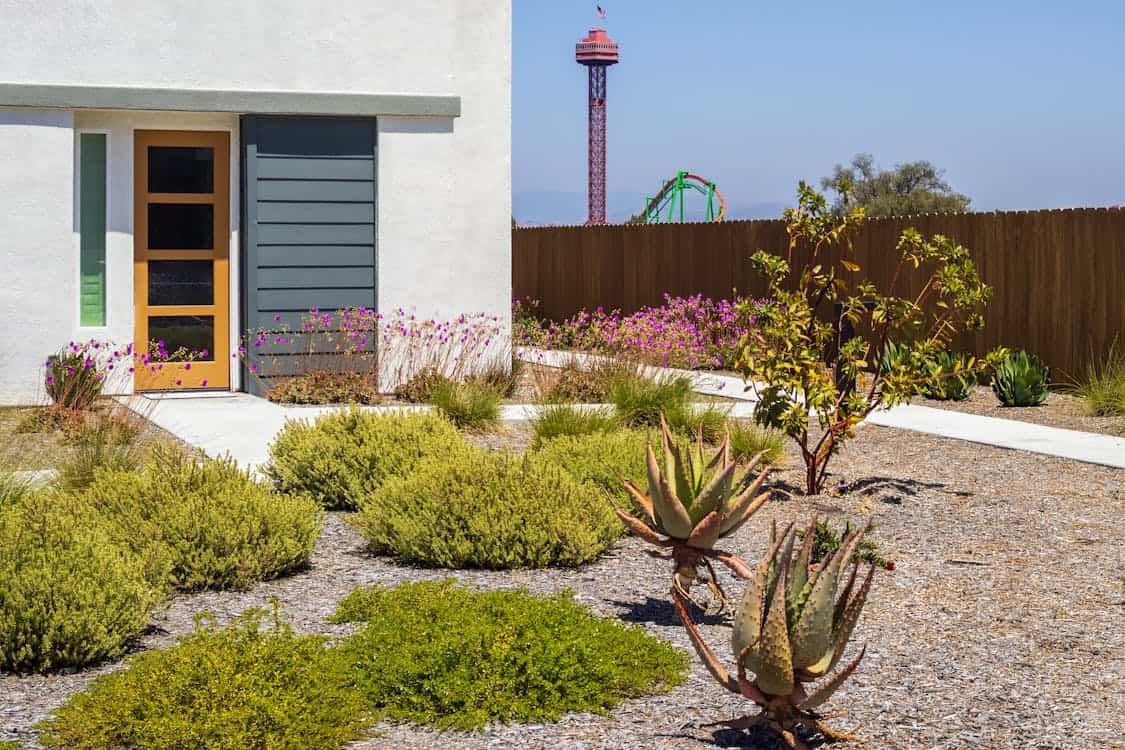
Native plants create the scaffolding that local wildlife needs to survive and to reproduce. Select nectar rich wildflowers for bees and butterflies, and berry producing shrubs that feed birds during lean months.
Leave some natural debris and fallen branches in out of the way corners to provide overwintering sites for insects and small animals. Install a shallow water source and a few sun bathing stones to increase the value of the area to a wide range of species.
Low Maintenance Care Practices
Smart maintenance is more about timing than intensity, and small actions often pay big dividends. Cut back dead stalks in late winter where needed, but let native seed heads stand where they offer food or shelter for overwintering wildlife.
Limit the use of broad spectrum herbicides and strong fertilizers which can upset soil life and favor non native weeds. A light touch and seasonal observation keep work hours low and plant health high.
Using Native Plants In Hardscapes And Containers
Native species can play nicely around patios, along walkways and in pots placed on a porch. Choose compact forms or those that respond well to pruning near hard surfaces, and pick container mixes that drain well to avoid root rot.
Arrange pots by water need and use saucers or self watering inserts to reduce waste. Even small planters with local species can create stepping stones of interest and habitat across an urban plot.
Dealing With Weeds And Invasive Plants
Frequent observation and quick removal of unwanted invaders keep a bed healthy and give natives breathing room. Hand pulling when soil is moist often removes a whole root and reduces resprouting, and repeating this method before seed set weakens problematic species over time.
Replacing cleared patches with robust, clump forming natives closes gaps and reduces the chance of reinfestation. If an aggressive non native has taken hold, a careful targeted approach with manual removal often beats broad spraying.
Sourcing Native Plants And Seed
Buy from growers who specialize in local species and who can speak to provenance and genetic suitability for the region. Seed mixes are handy, but single species seed collected from nearby populations often performs better and supports local gene pools.
When ordering plants online, check that nursery labels list the place of origin or regional provenance to avoid plants bred for far off climates. Swap with neighbors or join a community plant exchange to trade surplus plants and local knowledge.
Planning For Long Term Resilience
Think of the outdoor area as a living project that matures over years rather than a single season task. Monitor how plantings shift with weather and pests and be ready to replace a choice that fails with another that suits the spot better.
Aim for redundancy so that if one shrub struggles another can take its ecological role and keep habitat services steady. Little experiments, repeated over time, build a robust patch that rewards patience and observation.